Kromakey
A first-person color puzzle game about helping trapped souls find more paths forward.


"
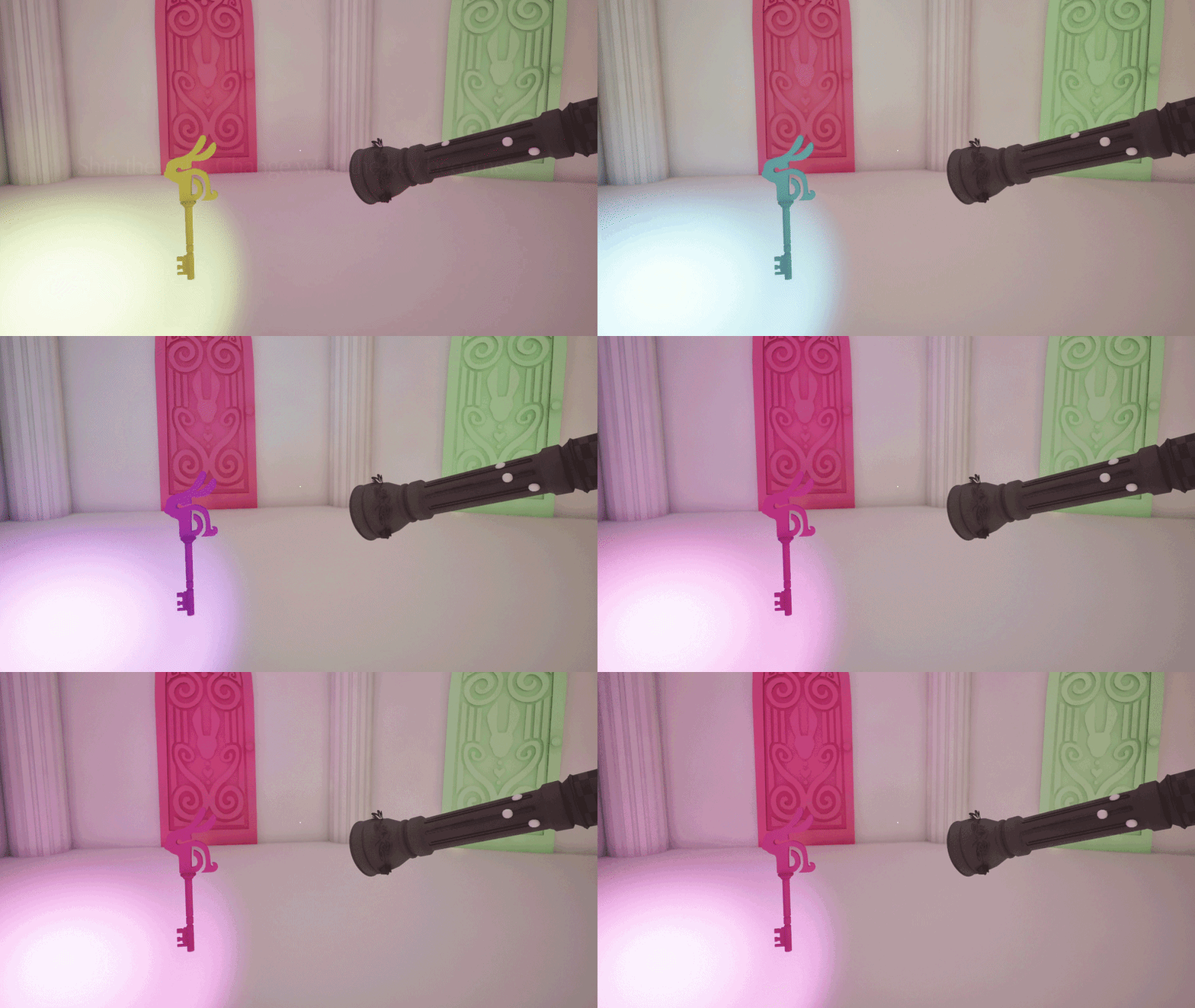
I designed Kromakey around a simple idea: instead of finding the “correct” key, the player changes how color is perceived so one chosen key can become useful in more situations. The mechanic became meaningful when we connected it to the player’s role as a ferryman where every door they open gives a trapped soul another possible path forward.
"


Where the Mechanic Came From
Prompt for Game Jam
You and your team of 2 to 4 are tasked with creating a small prototype centered around a real-world tool you’d find in a mechanic’s garage, toolbox, or workshop.
Here’s the twist: Your chosen tool must function exactly as it does in the real world – but with one
exaggerated or fantastical ability that naturally extends from its everyday use.


Our Selected Tool

FLASHLIGHT
I began with the phenomenon of color constancy: the same image can be interpreted as different colors depending on what lighting the viewer assumes is present.


Rather than making color only an aesthetic element, I wanted perception itself to become something the player could manipulate. That led to the central design question: What if the player could change the lighting conditions using the flashlight until two apparently different colors became a match?
Core Game Loop

Designing the Flashlight & Color Puzzle
Because this was a tool-themed game jam, the flashlight needed both a familiar use and a transformed one.
The player manipulates:
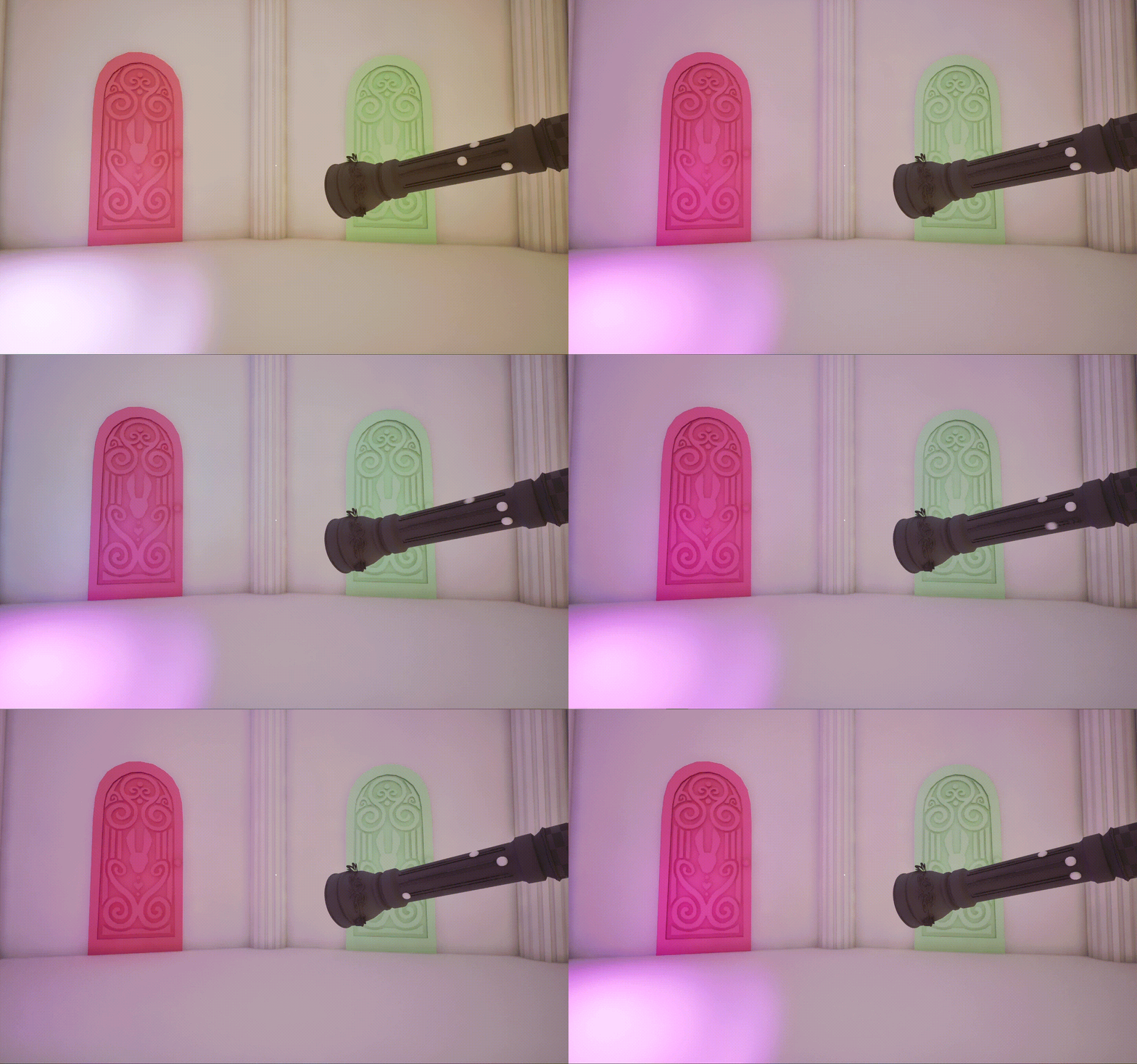
I wanted adjusting color to feel like manipulating a physical tool, not editing values in a settings menu. Keeping the sliders attached to the flashlight made the mechanic feel grounded in the object that defines the game.
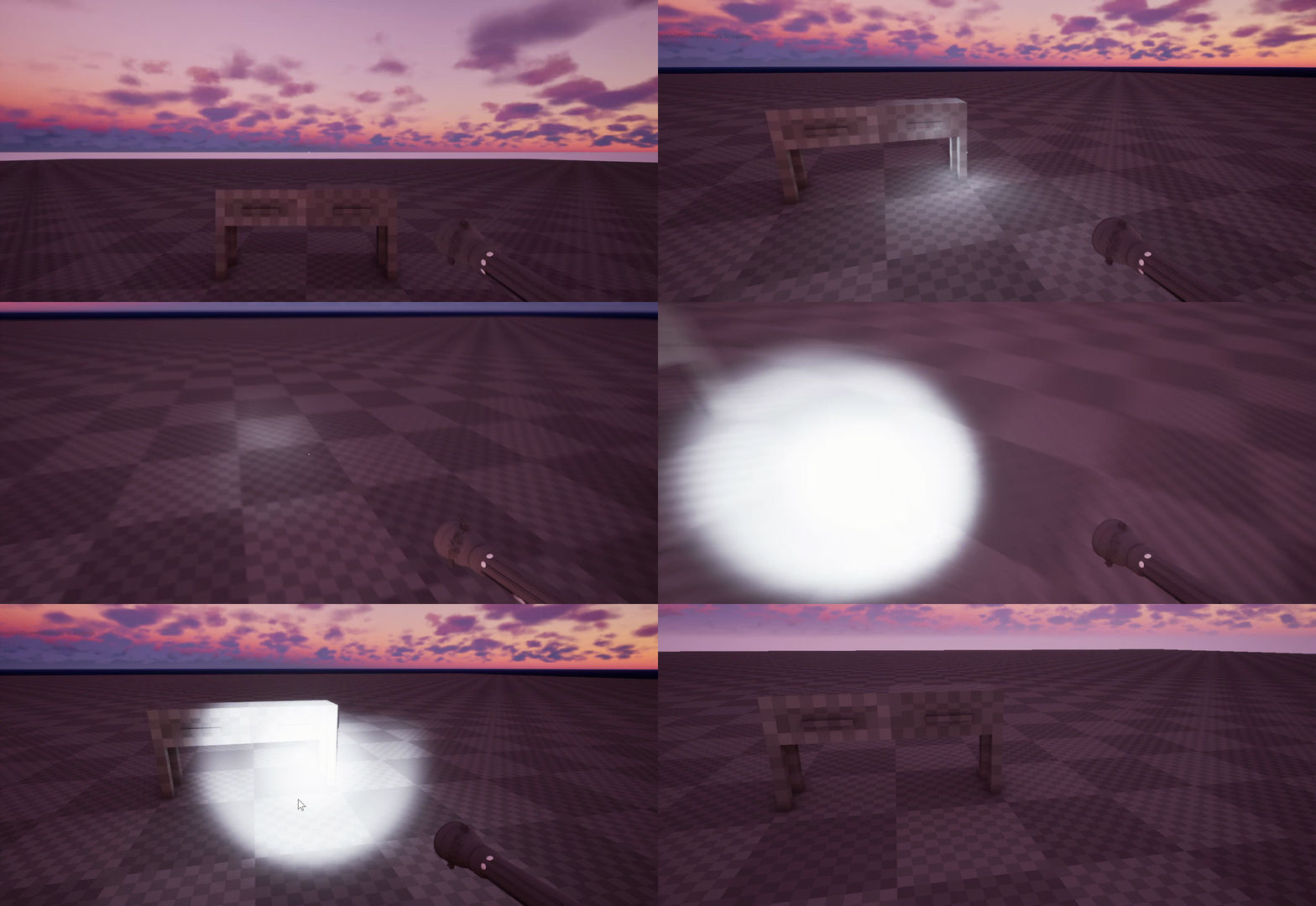
Real World Function
- illuminates the environment
- helps the player inspect objects
Magical Function
- changes how the player perceives colored objects
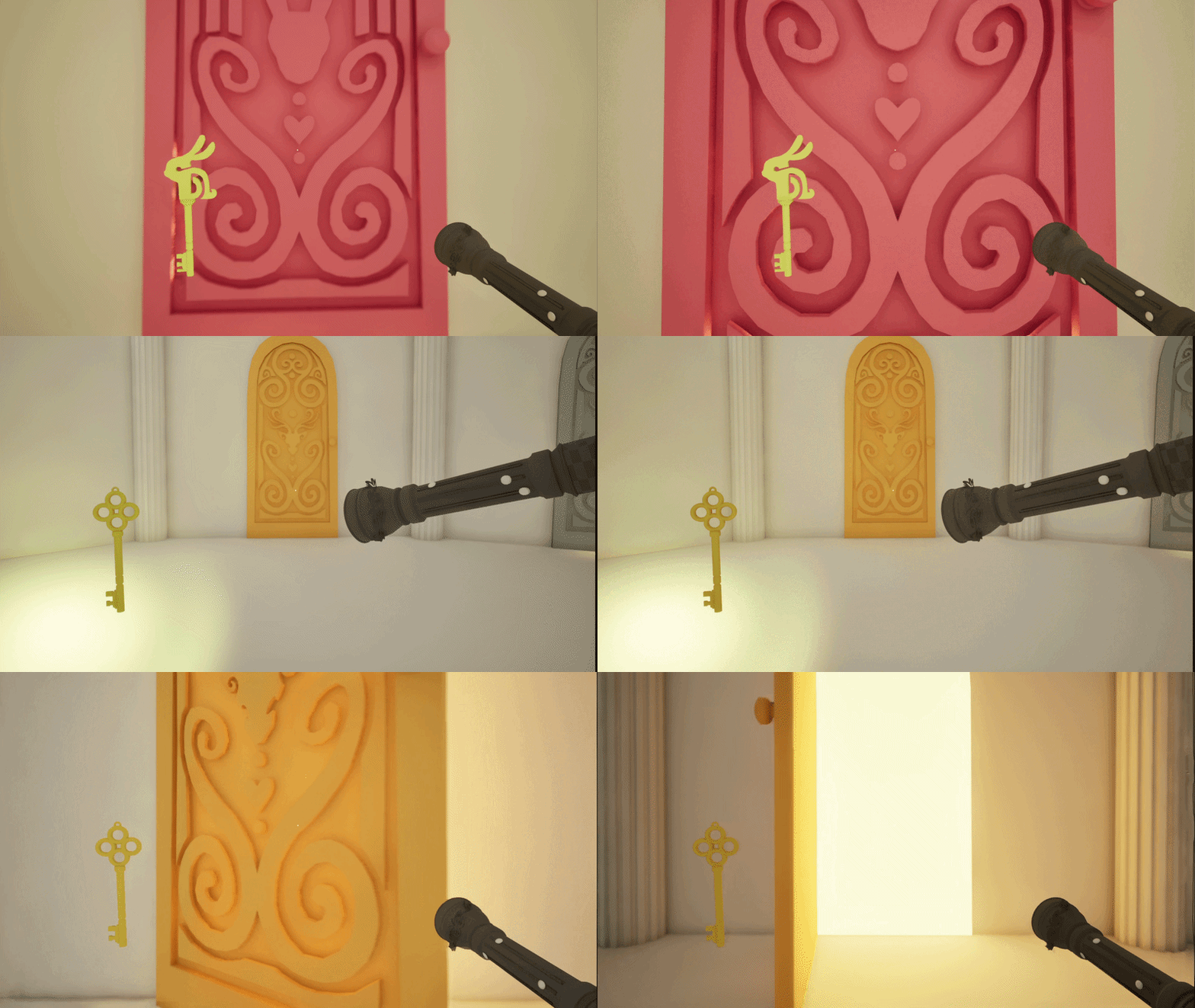
- allows one key to match otherwise incompatible doors
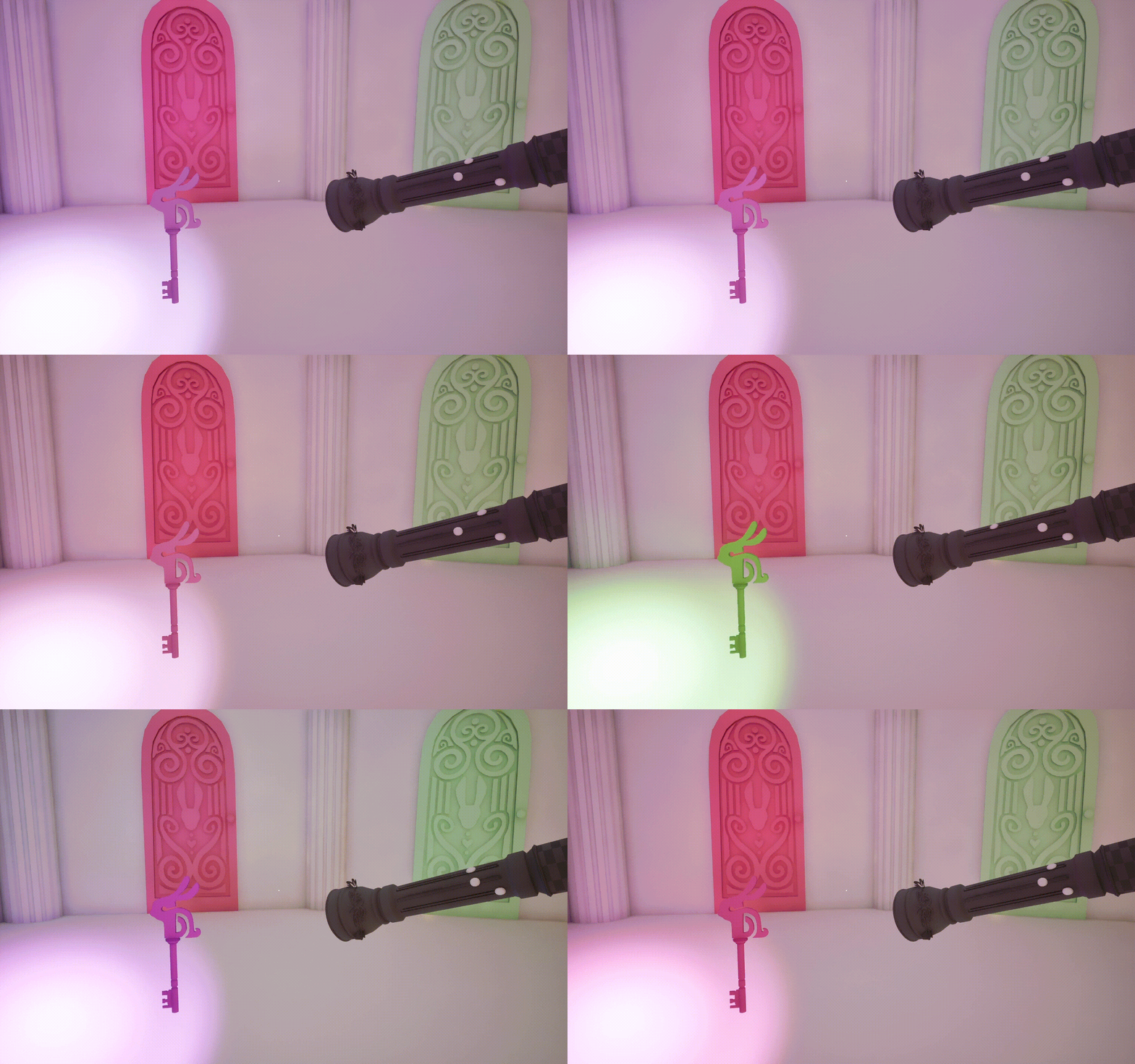
From there, the key-and-door system emerged:
1. Choose 1 Key
2. Manipulate Light
3. Match Multiple Doors
4. Create More Paths
The Most Important Design Decisions
Challenge/Question
How do we stop the puzzle from becoming simple process-of-elimination?
How do we connect puzzle performance to the narrative theme of agency and rebirth?
How do we create progression while keeping the game readable and focused?
How do we add pressure without making the challenge feel arbitrary?
Solution
Limit the player to one key per level.
This makes the initial choice meaningful and shifts the puzzle from trial-and-error to adaptation through light.
Let the player open possibilities, but let the soul choose the final door. I want success to be measured by how many options the player creates.
Increase complexity across levels without changing the core mechanic. More doors, more keys, and higher emotional stakes deepen the same interaction.
Introduce fog as a time constraint from Level 2 onward. This will turn optimization into a tension between speed and wanting to open more doors for souls.
Connecting the Mechanic to the Narrative
The ferryman narrative was designed around the same idea as the puzzle system, which is to help someone move forward without controlling where they go.
During the opening sequence of the game, the player will encounter the previous ferryman who just accomplished their mission. The previous ferryman serves as the mentor, giving the player their role, passing down the flashlight, and demonstrating that every ferryman eventually has their own door.
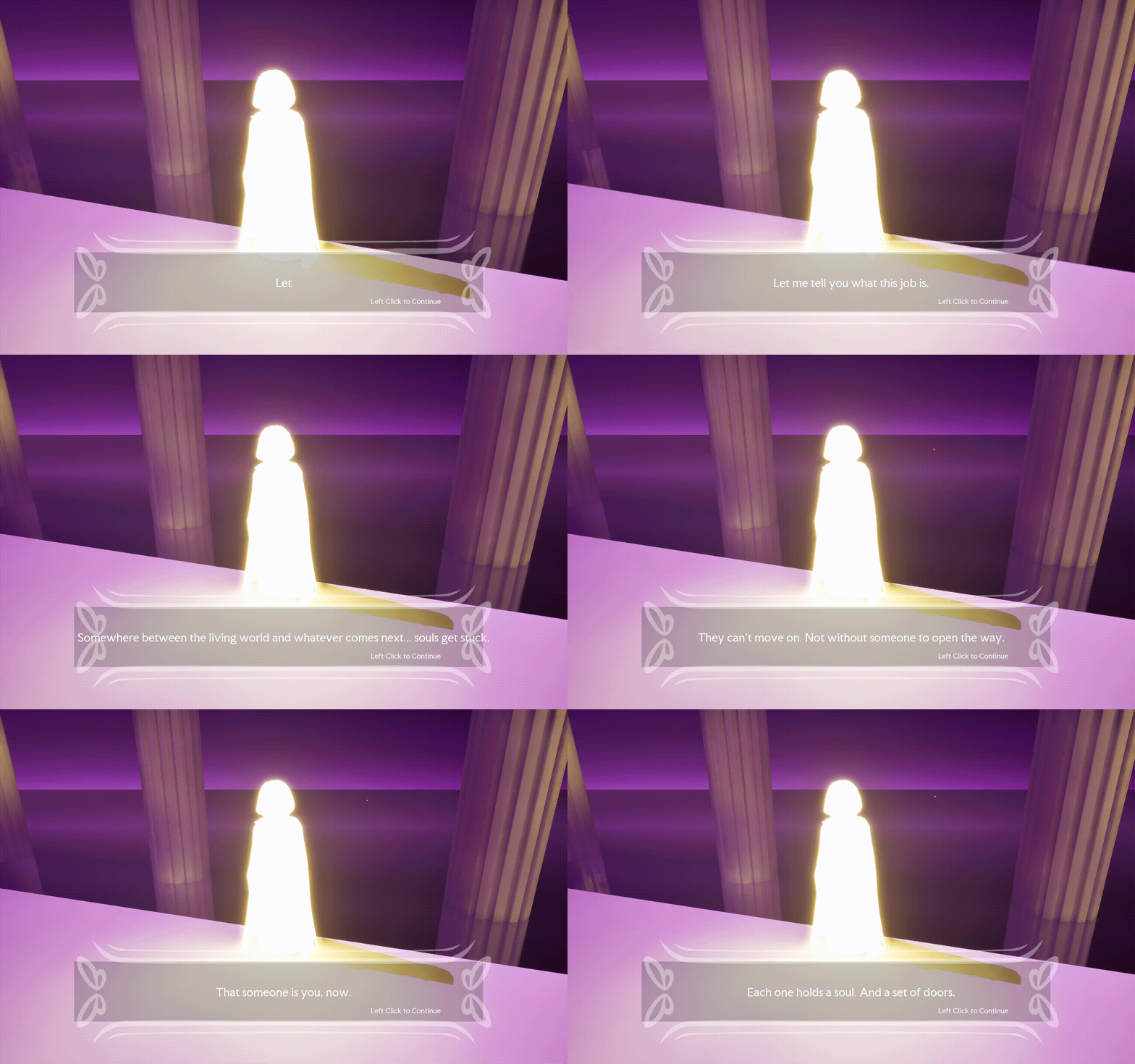
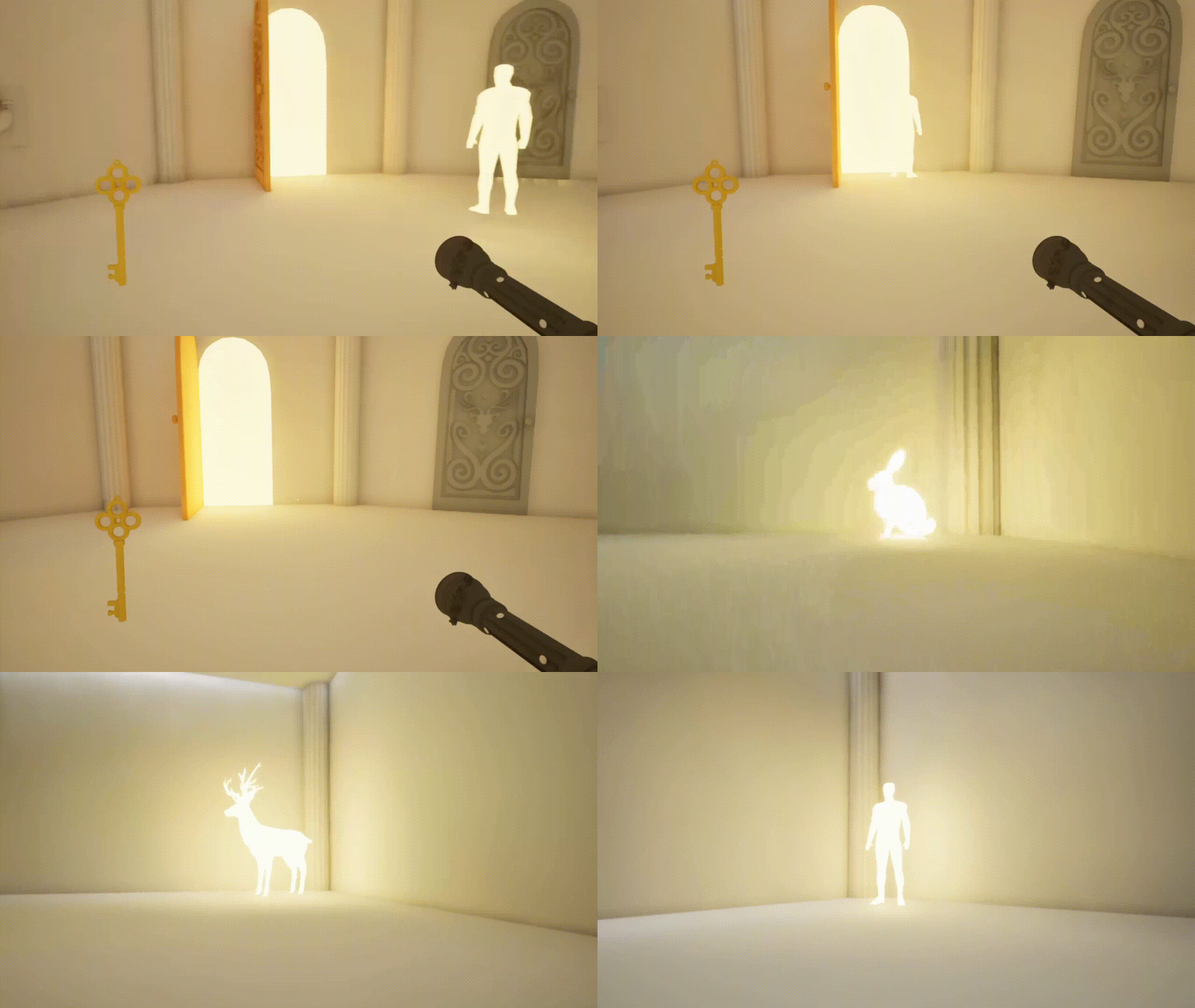
In order to make the responsibility feel increasingly recognizable and personal, I set the level flow as Rabbit, Deer, and Human.

Level 1: Rabbit

Level 2: Deer

Level 3: Human
Level Progression

< Key Takeaways >
Constraints can create the interesting decision
Restricting the player to one key gave the flashlight mechanic a reason to exist.
Role
Level Designer / Narrative Designer
Duration
One-and-a-half-month Game Jam
Engine
Unreal Engine 5
Team
3 interdisciplinary members
Tools