Kromakey
A first-person color puzzle game about helping trapped souls find more paths forward.


Throughout this project, I translated our game design document into a structured production plan for a one-month game jam. I created a macro schedule for major milestones, then broke each milestone into detailed, color-coded task lists organized by discipline, priority, status, and feature. This gave our small team a shared view of what had to be completed, what was essential, and what could be reduced if time became limited.
"
"


Building the Month Around Playable Milestones
Although the team was small, Kromakey contained many connected systems. The flashlight mechanic depended on key and door logic. Level completion depended on open-door tracking and soul movement. Narrative sequences required dialogue, animation, transitions, UI, and environment art to work together.
Therefore, the challenge was not simply making a list of features. As the producer, I needed to identify:
What had to work for
the game to be playable?
Which tasks depended
on other tasks?
Which features belonged to design, art, or engineering?
What could be simplified without weakening the core experience?
When each system needed to be integrated and tested?
Developing Kromakey's Production Macro & Task Lists
Define the Full Scope
Identify every major feature, sequence, system, and discipline required to complete the game.
1
2
Prioritize the Experience
Label work as Must, Should, or Could to separate the minimum playable game from optional polish.
3
Build Milestones and Dependencies
Arrange the categories across the production timeline, scheduling foundational systems before tasks that depend on them.
Reserve Time to Integrate and Adapt
Include dedicated periods for testing, bug fixing, polish, and unfinished work, then update the macro as production needs change.
4
Production Burn-down Chart


Category Structure
Category Priority
Progress/Status
Reserved Window
Color-coded
Task Assignee

The macro showed where the project needed to be each week, but it was not detailed enough for daily execution. I therefore created separate task lists for art, engineering, and audio, that translated each milestone into smaller assignments.
Task List for Engineer
Task List for Art


Task List for Audio


Overall Progress Calculator
Category Priority
Task Details
Category Structure
Color coding allowed the team to distinguish priorities and departments quickly without reading every row. The lists were intentionally detailed because tasks such as “complete the opening” were too broad to act on. I broke that goal into smaller items such as dialogue triggering, typewriter text, flashlight handoff, ferryman movement, door transition, music, collision, and environmental polish.
The Plan Changed with the Game
The production plan was not completed once and then ignored. As we implemented the game, individual systems required more iteration than expected. I updated the task breakdown as these needs became visible and kept the focus on completing the full player journey.
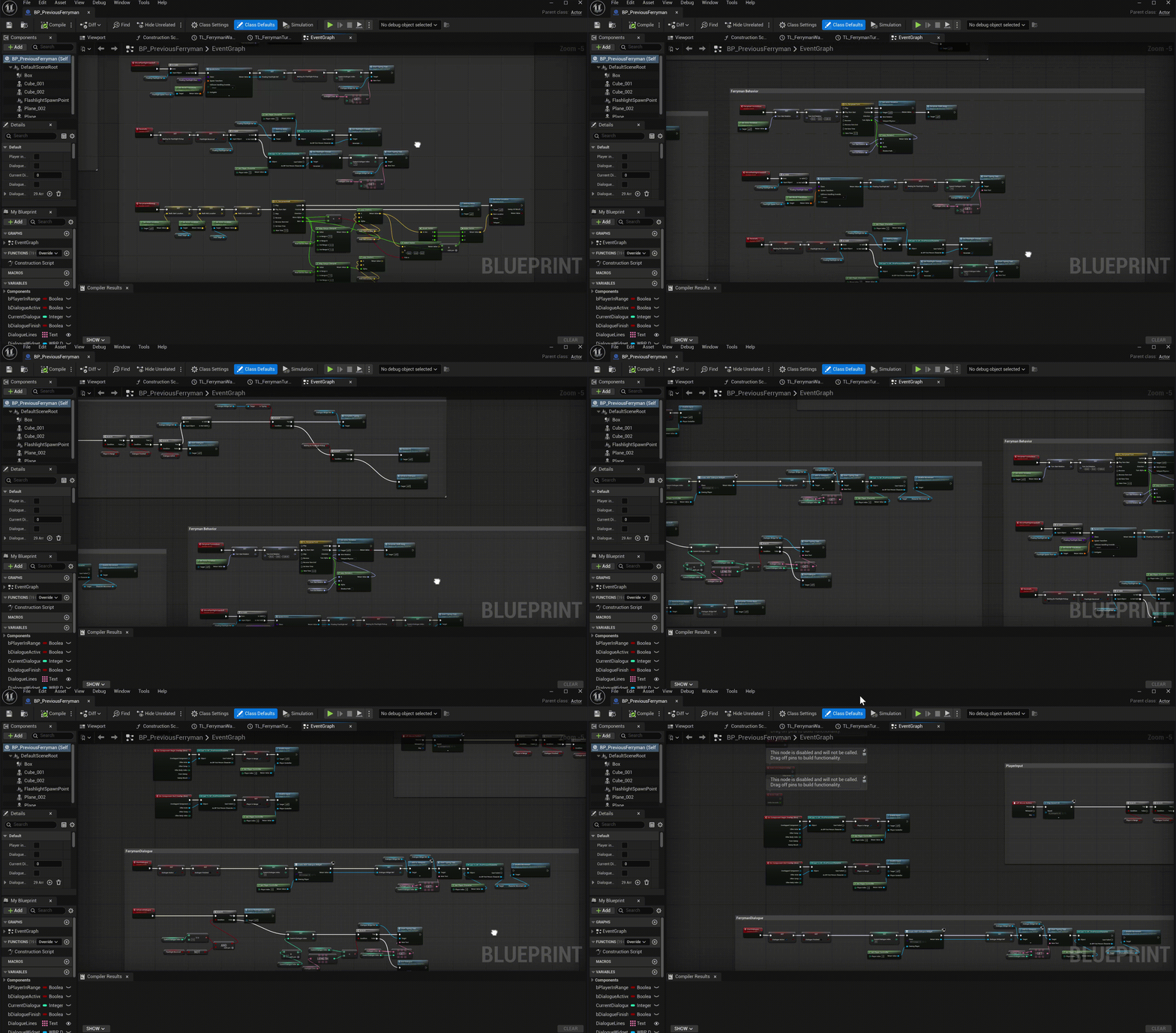
Because Kromakey was made by a three-person team, responsibilities overlapped. My production work supported the team’s planning, while I also contributed directly to design and implementation.

< Key Takeaways >
Shared plans keep the team moving together
The production macro and detailed task lists gave everyone a clear view of priorities, deadlines, dependencies, and what needed to happen next.
Role
Game Producer / Director
Duration
One-and-a-half-month Game Jam
Production Focus
Scope, scheduling, task breakdown, coordination, prioritization
Team
3 interdisciplinary members
Tools